August Trustee Spotlight


Each month, our Trustee Spotlight introduces one of the people helping to shape the Landscape Research Group. These stories offer a chance to learn more about the diverse backgrounds, research interests, and motivations of those guiding our work.
In this article, we meet Associate Professor Mengyixin Li, from the School of Architecture and Urban Planning at Beijing University of Civil Engineering and Architecture. Her work bridges European and Chinese approaches to green infrastructure and landscape transformation, with a particular focus on the social and ecological renewal of post-industrial sites. She also explores how large-scale green spaces and renewable energy landscapes can support climate change adaptation.
Read on to discover what inspired Mengyixin to join LRG, her efforts to build international collaborative networks, including new partnerships with China, and her commitment to connecting Chinese researchers and practitioners with global perspectives on critical and pluralistic landscape thinking.
1. What first inspired you to get involved with the Landscape Research Group and what does being a trustee mean to you?
你好!Greetings everyone!
Having studied and lived in Europe, and travelled to many countries around the world, I have developed a appreciation for the profound differences that arise from multiculturalism, as well as the unique charms that blossom from different regional cultures. Culture is the driving force behind the sustainable development of landscapes. Examples include the traditional architectural spaces of Beijing and historic environment of France. I am always interested in and eager to participate in expanding cultural exchanges and cooperation between different countries and regions by using
landscapes as a medium.
In 2023, I joined the LRG. Through Landscape Exchange (LEX), the LRG generously helped me publicise my English-language monograph of Large-Scale Urban Parks on Post-Industrial Sites in Contemporary Urban Landscape Conceptions. At the same time, I received news about the LRG Board election. I was very interested in this international landscape community that spanned so many cultural regions, although I did not know at the time what specific tasks I would be taking on by joining the LRG.
Becoming a trustee allows us to connect researchers and practitioners worldwide and promote interdisciplinary landscape research and development through knowledge dissemination, exchange, and collaboration. This can support scholars in different cultural contexts to discover, understand, and explore regional landscapes in multiple dimensions, as well as gain insights into global landscape perspectives for their professional development.

2. What are you most proud of contributing to LRG during your time as a trustee?
I feel incredibly fortunate to be a trustee of LRG. Our members come from various countries and regions, such as UK, Iceland, France, Estonia, New Zealand, China, Egypt, and I feel a great sense of cohesion while collaborating across time zones. Every task and decision is fully supported by my peers, and we can speak our minds freely, as well as present critical ideas. This exchange makes me feel incredibly genuine, inclusive, and diverse. I believe this is why the LRG continues to grow and develop.
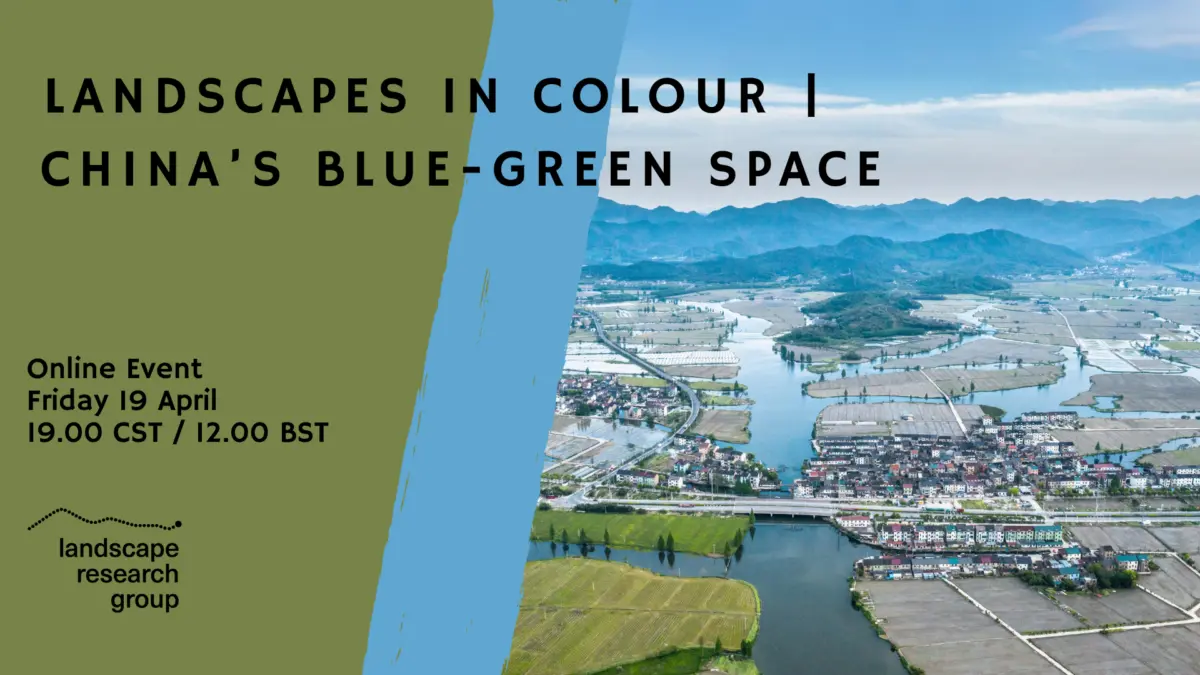
In 2024, LRG hosted Landscapes in Colour: Exploring China’s Blue-Green, the first event I organised about Chinese landscapes since joining LRG. It marked LRG’s first foray into Chinese academia and the beginning of our cross-cultural exploration and exchange with the journal of Landscape Architecture.
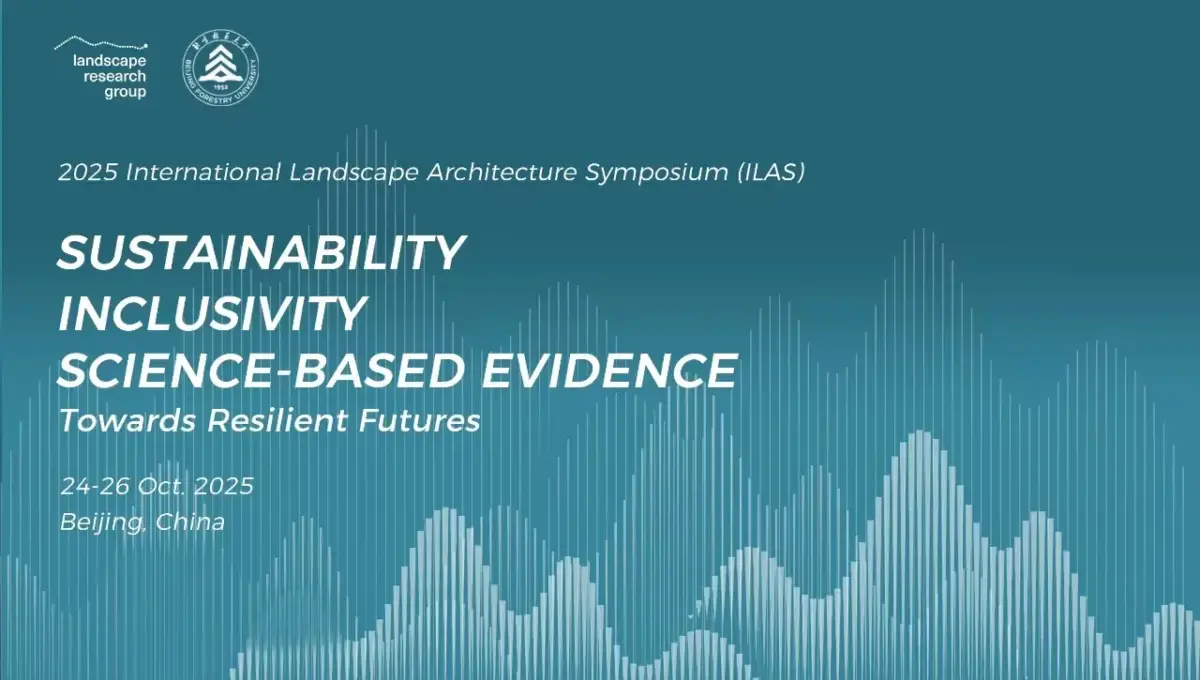
As the organiser and contact person this year, I facilitated LRG’s collaboration with Beijing Forestry University to host the 2025 International Landscape Architecture Symposium (ILAS). This event is a crucial opportunity to amplify Chinese voices within our growing international landscape community and deepen cross-cultural dialogue on sustainability, design, and environmental futures. With contributions from leading journals such as Landscape Architecture and Sustainability, and our own Landscape Research, the conference provides a platform for global exchange and collaboration.
3. How do you see the role of LRG evolving in the coming years and what opportunities should landscape research focus on next?
I have always believed that LRG is the international community with a long tradition of landscapes and a diverse philosophy, in which the Asia-Pacific region and China in particular, could be seen as a partner with more potential. In the future, we still need to explore the strengths of this partnership and ways to collaborate.
In fact, along with the promotion of the ILAS conference, LRG’s new official Chinese media outreach platform—WeChat—was also established by me and my colleagues, with the opportunity for more Chinese researchers and practitioners to discover LRG’s extensive reach and join in!
4. What excites you most about the future of landscape research – both within LRG and in the wider field?
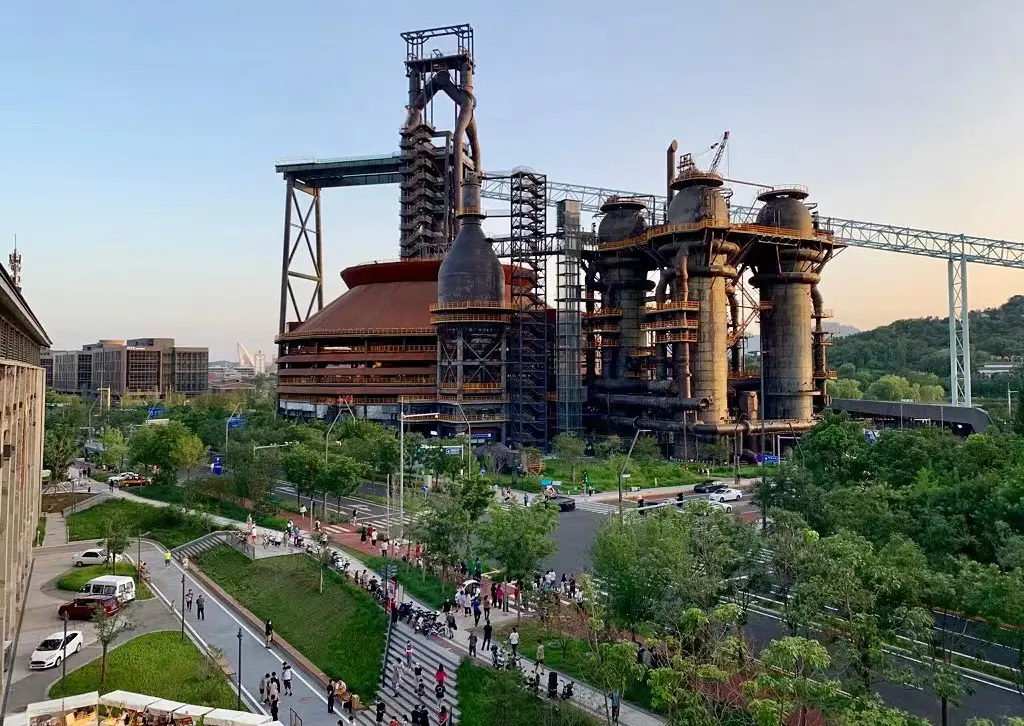
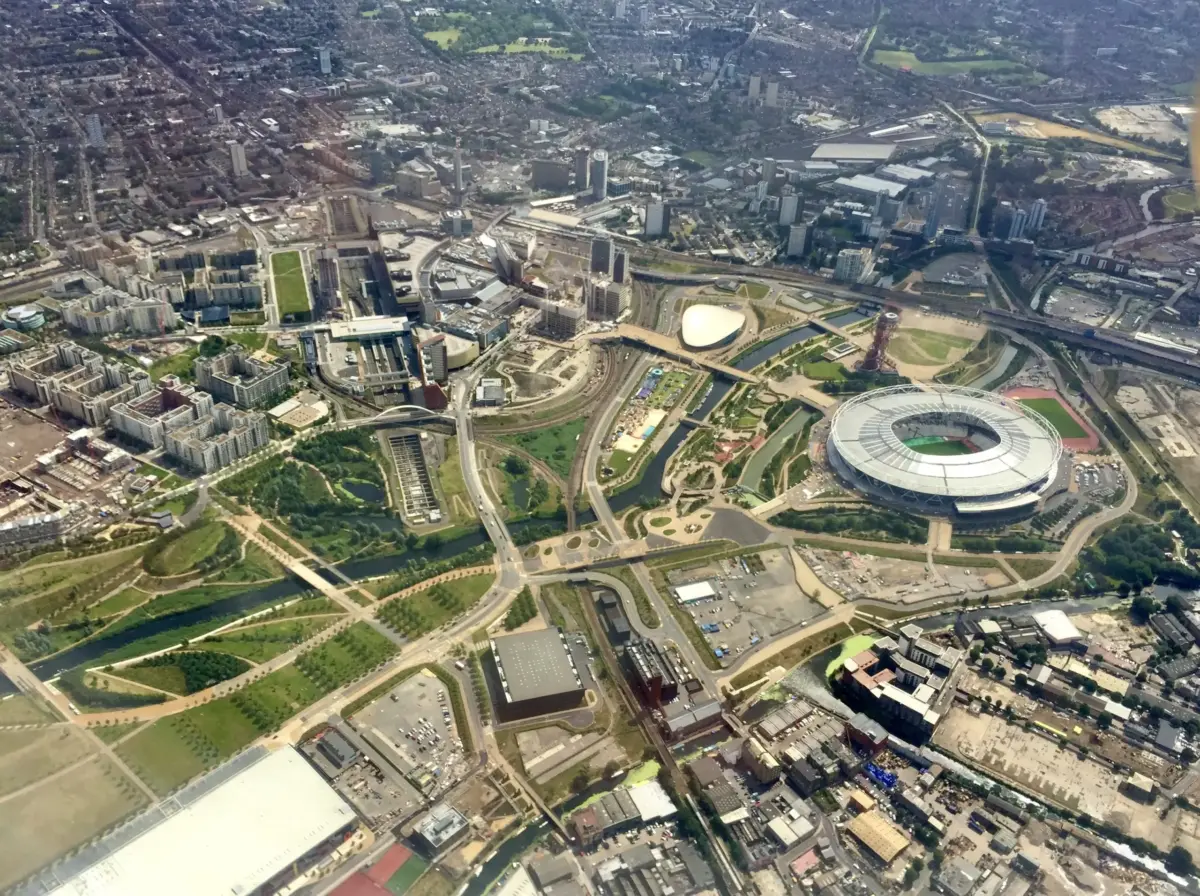
In the future, landscape research will continue to focus on landscape transformations under climate change, landscape justice, ecosystem cultural services, and landscape governance in order to address social, economic, cultural, and ecological challenges. What I find really exciting is finding specific adaptive solutions in different cultural contexts among the many globally common topics. For example, the governance and redevelopment of brownfields during China’s energy transition differs greatly from that in the UK, Germany and the USA. In the face of the unknown, we think, explore, and critically analyse. We also look back and reflect on what has already happened on the planet.
Our motivation is moving forward, and I believe that LRG will become an important guiding force. Before us lies a sustainable, collaborative path to the future, one that continues to reveal the evolution of landscapes. LRG will constantly expand the boundaries of cognition through critical thinking and creativity. We need courage and faith, like swinging in the jungle of the unknown. Ultimately, by integrating social and humanistic concerns with natural ecological dimensions, all efforts will contribute to developing human-Earth relations.
谢谢!Thank you!
Mengyixin Li
LRG Trustee
Associate Professor
School of Architecture and Urban Planning,
Beijing University of Civil Engineering and Architecture, China

Enjoyed reading this trustee Q&A but not yet a member?
Becoming an LRG member means you can help shape the organisation’s future. Members can vote in Board of Trustees elections—and even stand for election themselves.
You’ll also enjoy exclusive benefits: access to our peer-reviewed journal Landscape Research plus five other publications, eligibility to apply for the LRG Research Fund, the chance to join Critical Field Studies, and opportunities to share your work within a truly global community.
If you’re not yet a member, there’s never been a better time to join and get involved.
More from around this time
More news
All news
News · 3 September 2026
New podcast revisits Laura Alice Watt’s The Paradox of Preservation as its tenth anniversary approaches
LRG Chair Professor Laura Alice Watt joins the *In Common* podcast to revisit 'The Paradox of Preservation' as the book approaches its tenth anniversary—and to consider
News · 28 August 2026
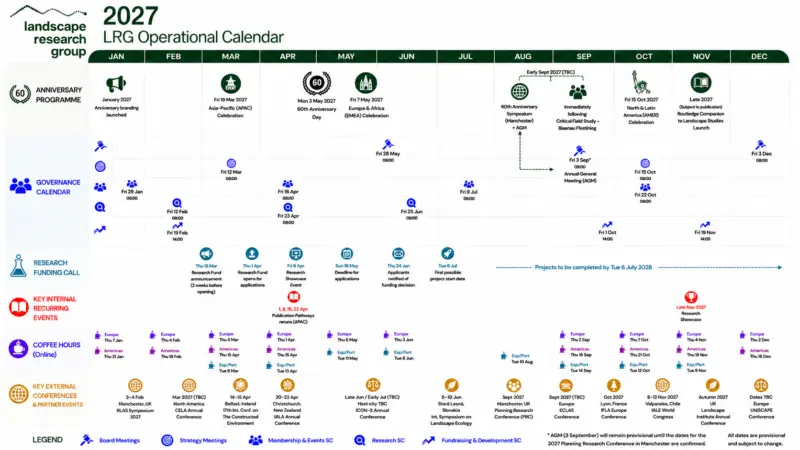
LRG at 60: our 2027 anniversary programme
Explore the developing programme for LRG’s 60th Anniversary year, including regional celebrations, research and network activities, and our proposed flagship gathering in September 2027. Discover the

News · 21 August 2026
Help shape the proposed Natural History GCSE for England
LRG members are invited to contribute their expertise to a UK Government consultation on the proposed Natural History GCSE for England, with particular opportunities to inform
Get stories like this by email
The newsletter carries the quarter’s best of these, straight to your inbox.