
Energy Landscapes: Power
A paper from the 'Energy Landscapes' conference in Dresden in which Prof Don Mitchell argues that landscape materialises power, citing Gotland and California.
Over 16-18 September 2015 in Dresden, Germany, the Landscape Research Group convened a European conference entitled “Energy Landscapes: Perception, Planning, Participation and Power.“
The conference was co-organised by the Leibniz Institute of Ecological Urban and Regional Development (IOER), with support from Technische Universität Dresden, IRS (Leibniz), COST (European Cooperation in Science and Technology), and the German-language Landscape Research Network, funded by LRG.
Key questions raised by the conference were:
- Perception – How is the character, perception, assessment and social construction of landscapes influenced by present and past uses of energy?
- Planning – Which types of landscape-related planning and governance regimes exist and how are they linked to landscape planning, spatial planning and energy policy?
- Participation – In the face of energy transitions, to what extent are landscape policies inclusive and participatory? Which actors are involved and who is constituted as an actor in this regard?
- Power – Which power relations shape the interplay of energies and landscapes? How can the workings of power be conceptualised and critically reflected?
Read more about the conference here.
Keynote speaker 4: Professor Don Mitchell
Power
“Landscape: Power Materialized“
This talk will focus on how the geographical landscape is a materialization of – and therefore the basis for the continued exercise of – power.
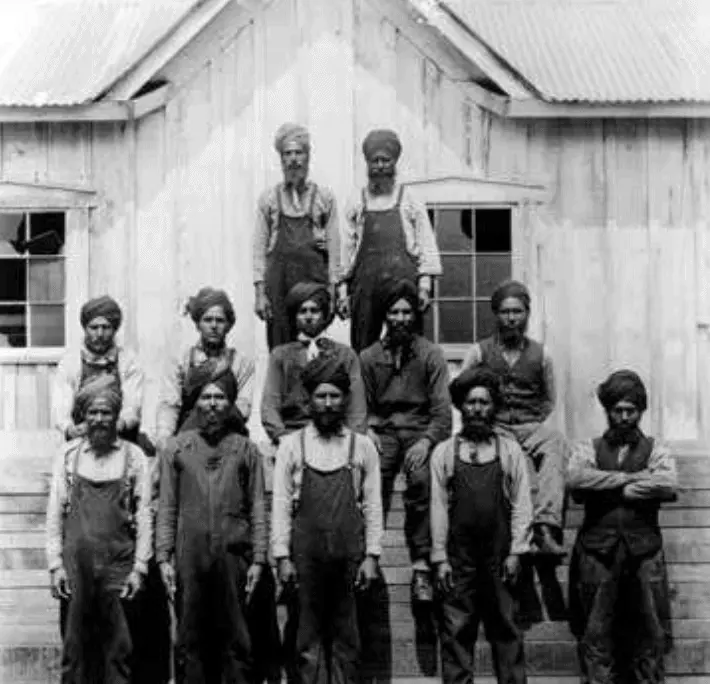
Drawing on examples of alternative energy landscapes in Gotland Sweden, sprawling suburban landscapes in Northern California, and the struggled-over landscape of the US-Mexico border, I will explore what it means to understand landscape as a materialization of (and basis for) power and the implications of that for the development of more just energy, residential, and labour landscapes, while showing how energy, labour, and home-life are always linked.
Landscapes are powerful, I will argue, precisely because they create the conditions of possibility for (or against) justice, whether justice is understood in a redistributive or substantive sense.
Author(s) and/or Contributor(s)
Don Mitchell
Cite this item
Don Mitchell (2015) Energy Landscapes: Power. The Landscape Exchange, Landscape Research Group. Published 18 September 2015.
Back to the library
283 items, free to read and free to contribute to.