From local paths to global landscapes: the LRG Research Fund in action
Since 2017, the Landscape Research Group’s Research Fund has enabled researchers and practitioners to investigate landscapes across Europe, Africa, Asia and the Americas, exploring questions of access, heritage, environmental change and community resilience.
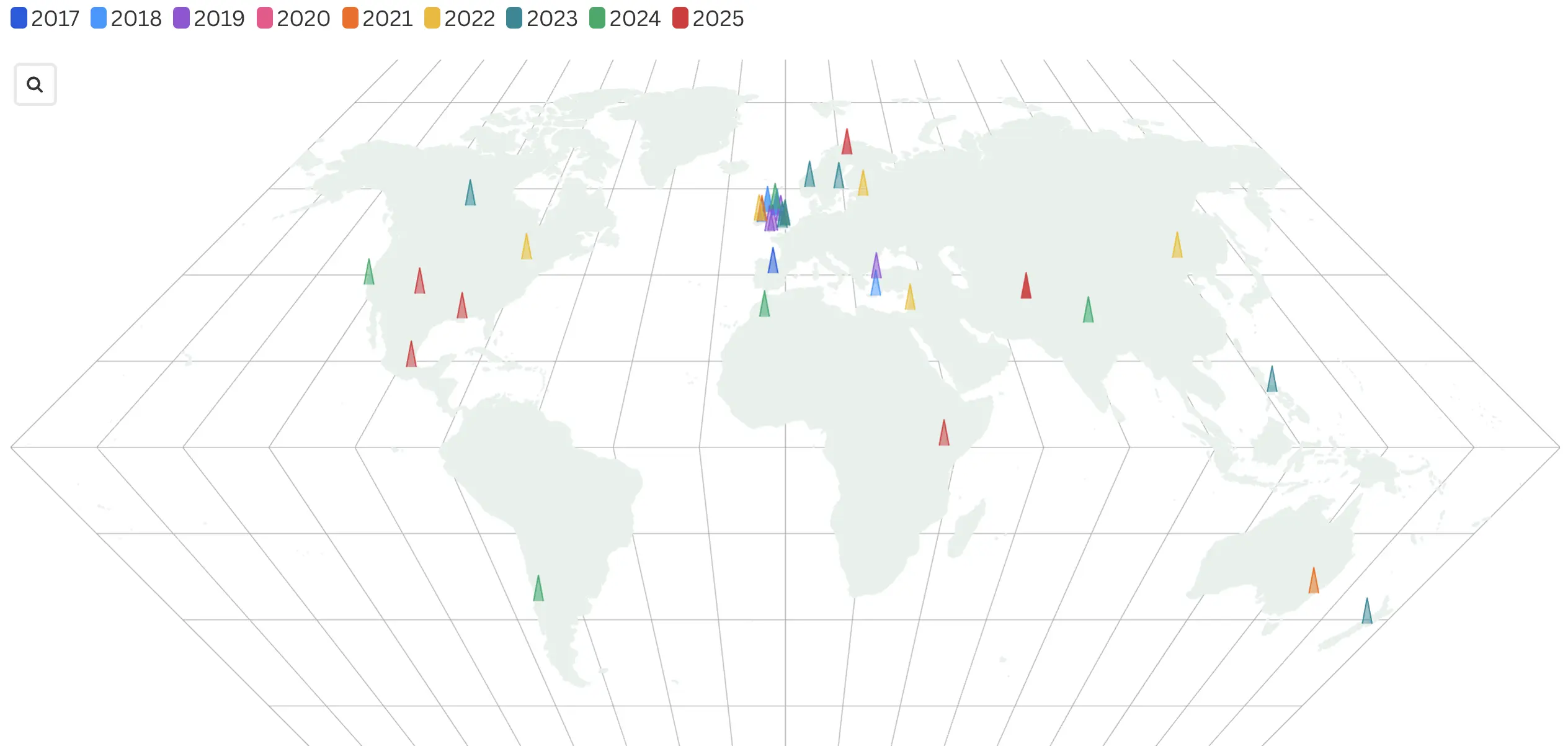
Interactive map of locations of Landscape Research Group Research Fund research and project partners since 2017.
Hover over the map for further details of individual projects.
 At a time when landscapes across the world are experiencing rapid environmental and social change, research that connects ecological processes with community experience has become increasingly important. The projects supported by the LRG Research Fund reflect this growing need for interdisciplinary approaches to landscape. With the next funding round opening soon, the map above illustrates the geographical spread of projects funded between 2017 and 2025. Each point represents a landscape where research has taken place, revealing how a relatively small grant programme has supported work across the globe.
Together, these projects demonstrate the breadth of contemporary landscape research: addressing issues of access and justice, climate change and environmental stewardship, heritage and memory, and the ways communities shape the places they inhabit.
Over this period the fund has supported projects from researchers working in universities, cultural organisations, community groups and independent practice. Many projects focus on specific places and communities, but collectively they form part of a wider global conversation about how landscapes are understood, managed and imagined for the future.
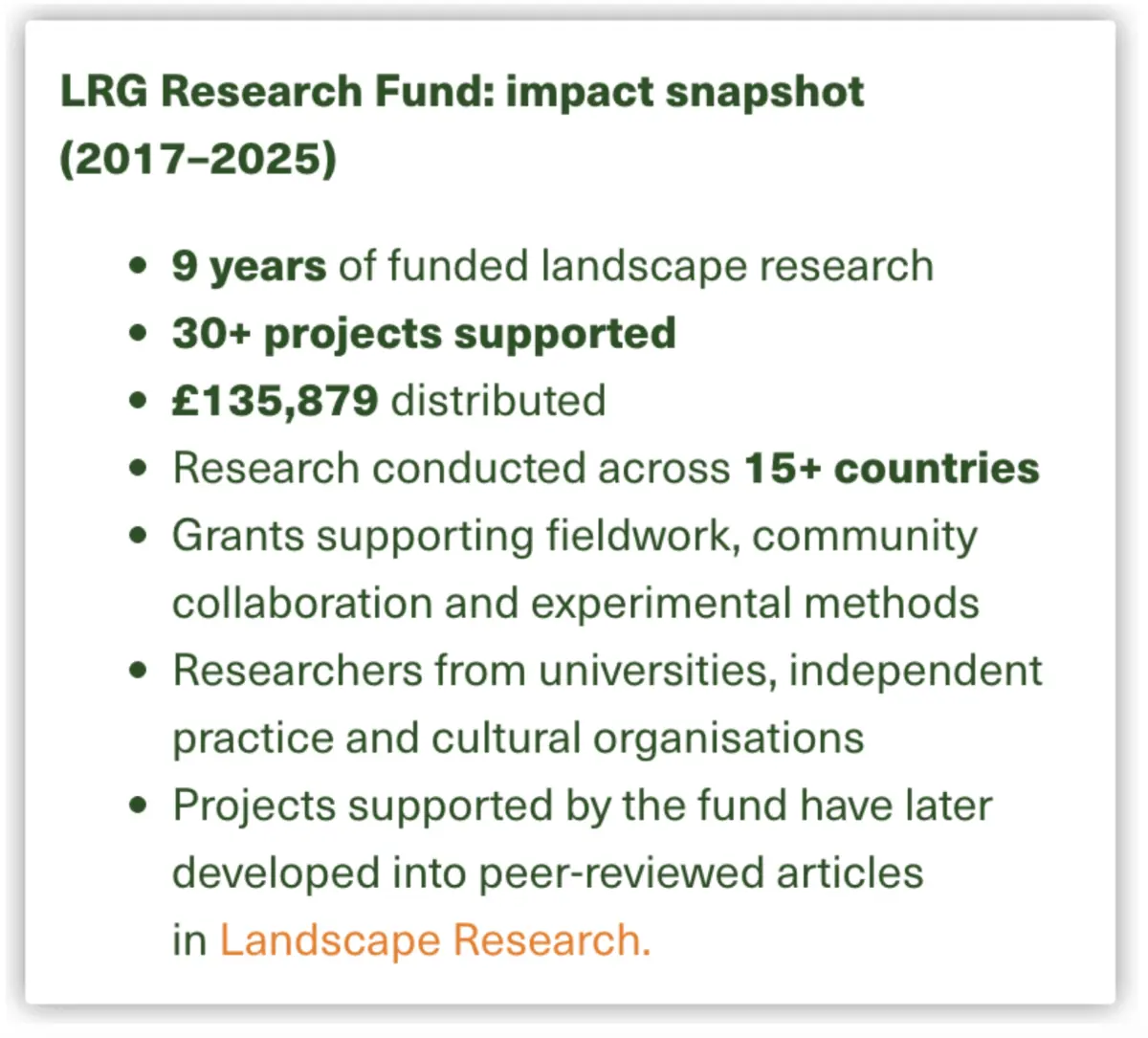
Since its launch in 2017, the Landscape Research Group Research Fund has supported more than 30 research projects exploring landscapes in diverse cultural and environmental contexts. Over this period the programme has distributed £135,879 in small research grants, enabling fieldwork, community engagement and experimental research methods across more than 15 countries. The fund has supported researchers working in universities, cultural organisations and independent practice, helping to develop new collaborations and early-stage research that often goes on to generate further publications, exhibitions and partnerships. Together, these projects demonstrate how relatively modest funding can have a significant impact in supporting innovative and interdisciplinary landscape research.
Supporting early-stage research
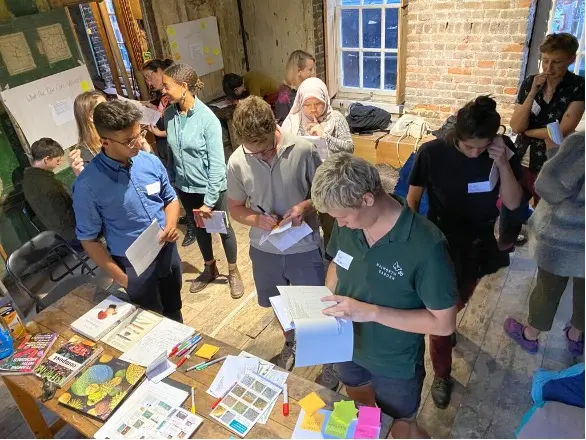
The LRG Research Fund was established to encourage innovative landscape research, particularly projects that might otherwise struggle to find funding through conventional academic channels. Many projects are exploratory, interdisciplinary or community-based, allowing researchers to test ideas, build collaborations or generate new methods.
This flexibility has proven particularly valuable for early-career researchers and independent practitioners. Small grants can make a significant difference at critical moments in a project’s development — enabling fieldwork, community engagement or the creation of pilot studies that later develop into larger research programmes.
Over the years, the fund has supported projects from researchers working in universities, cultural organisations, community groups and independent practice. Each year, the funds focus on a theme aligned with the Landscape Research Group’s research strategy priority areas. These themes are also shaped through ongoing discussions around critical global challenges and emerging issues, reflecting our shared belief in the importance of landscape research in addressing the complex challenges of our time. Below, we reflecton some of the key topics and themes explored by the funded projects over the years.
Landscapes of access, inclusion and participation
Several funded projects have explored how landscapes are accessed, shared and experienced by different communities.
In Belfast, the Coastal Landscapes and Inclusive Planning (CLIP) project led by Maria Pafi examined the relationship between coastal environments and inclusive urban planning. By exploring how coastal landscapes can be made more accessible and socially inclusive, the research contributes to wider debates about public space and environmental justice.
Other projects have focused on barriers to landscape access. Kimm Curran’s research on invisible disabilities and landscape access investigated how people with hidden disabilities experience outdoor environments, highlighting the importance of inclusive design in parks and rural landscapes. Projects such as Beyond the Peace Lines: Landscape boundaries and social inclusion explored how landscape boundaries in post-conflict cities influence patterns of social interaction and mobility.
Infrastructure development also shapes how landscapes are understood and contested. Jo Phillips’ project Connecting and Severing: a Deconstruction of the Language of HS2 Ltd examined how the language surrounding major infrastructure projects influences public perceptions of landscape change. By analysing how infrastructure narratives frame landscape transformation, the research highlights the role of discourse in shaping public debate around environmental and spatial change.
Questions of landscape learning and community engagement are also explored in Tom Keeley’s Hedge School project, which draws inspiration from the historical tradition of informal outdoor education in Ireland. The project investigates how landscapes can function as spaces of shared learning, encouraging participants to explore ecological knowledge, cultural history and place-based understanding through collective outdoor activities.
These projects reflect a growing interest in understanding landscapes not simply as physical spaces but as social environments shaped by power, identity and inclusion.
Landscape heritage and cultural memory
Another strand of research supported by the fund examines landscape heritage and cultural narratives.
Emily Shakespeare’s work on the colonial landscapes of the Comeragh Mountains explored how historical land use and colonial systems of governance continue to influence Irish landscapes today. Through historical analysis and landscape interpretation, the research highlights how the past remains embedded in contemporary environments.
In Estonia, the project Decolonising maritime cultural landscapes investigated how maritime heritage is represented and interpreted along the Baltic coast. By examining cultural narratives associated with coastal landscapes, the project contributes to discussions about heritage, identity and the legacy of colonial or imperial histories.
Other projects have focused on landscape storytelling and interpretation. Emily Forshaw’s work on landscape narratives in Devon, for example, explored how stories about place shape people’s relationships with local environments.
Climate, land use and environmental change
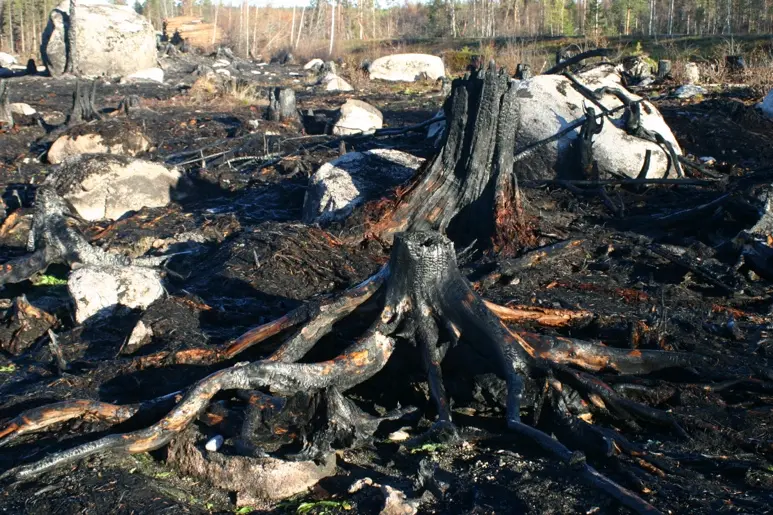
Climate change and environmental transformation have become increasingly important themes in recent years.
Research funded through the programme has explored landscapes affected by wildfire, climate change and ecological degradation. Work on Sámi landscapes and wildfire examined how fire shapes northern Scandinavian environments and how Indigenous land management practices can inform future approaches to landscape stewardship.
Questions of landscape perception are also explored in Jane Russell-O’Connor’s project Why People Are Drawn to Different Landscapes, which investigates how emotional responses, cultural associations and personal experience shape people’s preferences for particular environments. The research highlights the importance of sensory and experiential dimensions of landscape in understanding how people relate to place.
Similarly, projects such as Mapping Value: Peatlands highlight the importance of peatland ecosystems in climate regulation and biodiversity conservation. By examining how peatlands are valued and managed, this research contributes to wider debates about landscape restoration and environmental governance.
In the Himalayas, the Himalayan Climate Adaptation project led by Dane Carlson investigated climate resilience in high mountain communities. Working with local communities in Nepal, the project explored how landscape knowledge and community-led adaptation strategies can support sustainable responses to environmental change.
Landscapes of water, agriculture and ecological resilience
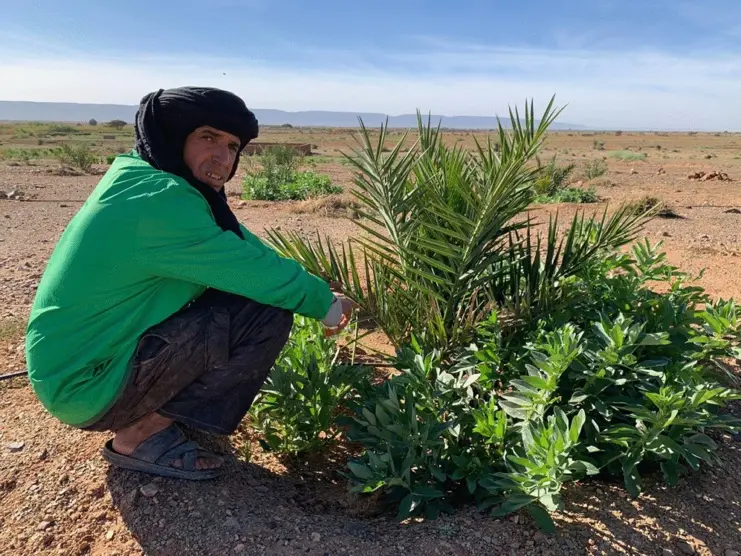
Several recent projects focus on landscapes shaped by water management and agricultural practices.
Tracy Valcourt’s project Idir’s Well: water scarcity and Amazigh nomads examined water management practices in Morocco’s Drâa Valley, exploring how Amazigh communities adapt to water scarcity in arid environments. The research highlights the relationship between landscape knowledge, cultural practice and environmental resilience.
In Mexico, the project Community Organization Processes in Socio-Environmental Conflict Matrices investigates community responses to environmental conflicts in the Sierra de Zongolica and the Yucatán Peninsula. By analysing how communities organise around land and environmental issues, the research contributes to debates about alternative territorial models and community-led landscape governance.
Other projects focus on ecological restoration. Plants and Landscapes on the Move, led by Leah Kahler and Liz Camuti, explores plant procurement networks supporting coastal restoration along the Louisiana coast. By mapping how plants move through restoration infrastructure, the project sheds light on the material networks shaping ecological recovery.
Developing methods and prototypes
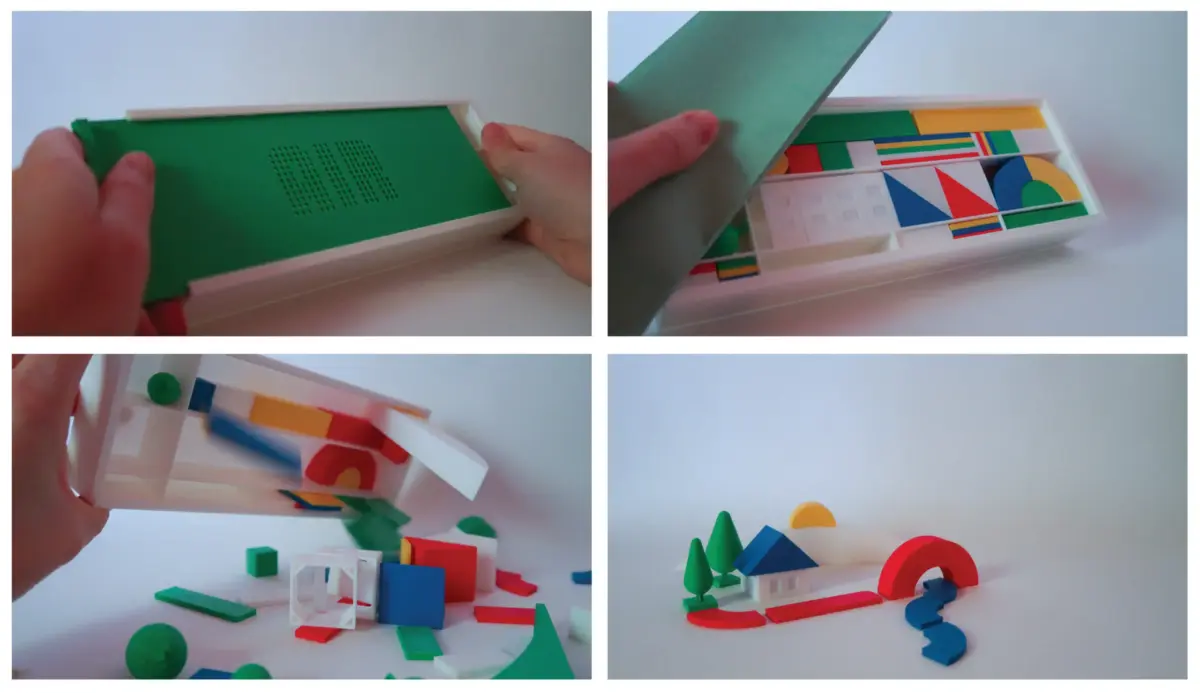
Alongside place-based fieldwork, several projects supported by the LRG Research Fund have focused on developing new research methods and experimental tools for engaging with landscapes.
Victoria Mohr, Alejandro Ponce de Leon, Philipp Simon’s project Fuel(ing) the City: energy stewardship kit explored how landscape thinking can support community engagement with urban energy systems. The project developed a prototype toolkit designed to help communities visualise and discuss energy infrastructure within everyday urban environments. Using a set of modular physical components representing buildings, landscapes and energy systems, the toolkit encourages collaborative exploration of how energy flows through cities and how communities might shape more sustainable futures.
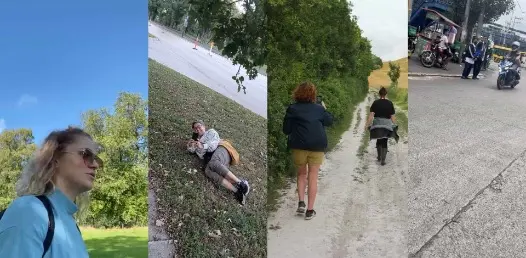
Similarly, The Posthuman Walking Project, led by Dr Shirley Chubb and Dr Clair Hebron, investigated walking as a research method for exploring relationships between humans, landscapes and non-human environments. The project experimented with walking-based methodologies that foreground sensory experience, embodied knowledge and the agency of landscapes themselves. Through participatory walks and creative documentation, the research examined how walking can generate new ways of understanding landscape relationships beyond conventional human-centred perspectives.
Together these projects illustrate how the LRG Research Fund supports experimentation not only in research topics but also in the methods used to explore landscape. By encouraging prototype tools, creative practice and participatory approaches, the programme helps expand the methodological possibilities of landscape research.
Global landscapes, local knowledge
One of the striking aspects of the LRG Research Fund is the diversity of landscapes in which research has taken place.
Projects have been conducted in environments as varied as the peatlands of northern Britain, the deserts of Morocco, the mountains of Nepal and the coastal wetlands of Louisiana. At the same time, many projects focus on everyday landscapes closer to home, including urban gardens, rural pathways and local heritage sites.
This combination of local and global research reflects the central insight of landscape studies: that landscapes are both specific places and part of broader environmental and cultural systems.
Building a community of landscape researchers
Beyond the individual projects themselves, the Research Fund plays an important role in strengthening the wider landscape research community.
Many funded projects have led to conference presentations, journal articles, exhibitions and collaborative networks. Researchers often use the grants to develop partnerships with community organisations, local authorities or environmental groups.
Some projects supported through the fund have also developed into publications in Landscape Research, illustrating how small exploratory grants can contribute to longer-term academic outputs. Margherita Cisani’s work on landscape and education, supported through the programme in 2019, later contributed to a set of papers published in the journal in 2022 exploring the relationship between landscape learning and educational practice. Other researchers connected with the fund have also developed work through the journal pipeline: Annaclaudia Martini’s research has recently appeared in Landscape Research. In other cases, the research process has extended through multiple stages of peer review and revision, demonstrating how early project funding can help researchers generate ideas that later evolve into full academic publications.
In this way, the programme contributes not only to academic research but also to practical engagement with landscape challenges.
Looking ahead
As the challenges facing landscapes continue to grow — from climate change and biodiversity loss to social inequality and environmental conflict — the need for interdisciplinary landscape research has never been greater.
The projects supported through the LRG Research Fund demonstrate how small-scale funding can generate valuable insights into these complex issues. By supporting exploratory research and encouraging collaboration across disciplines and communities, the programme continues to play a vital role in advancing landscape research.
The map accompanying this article provides just a snapshot of the work that has been supported over the past decade. Each point represents not only a research project but also a set of relationships between researchers, communities and landscapes.
Together, these projects form part of a growing global conversation about how landscapes are understood, managed and imagined for the future.
Subscribe for notification of our tenth funding round
The Landscape Research Group Research Fund supports exploratory and interdisciplinary projects that advance understanding of landscapes and the communities connected to them.
The next funding round will open soon and will continue to encourage proposals that explore landscape in relation to social, cultural and environmental change. Researchers and practitioners interested in applying are encouraged to sign up to the LRG newsletter to receive the funding call and application details as soon as they are released.
To be eligible to apply for the fund, you must be members of the Landscape Research Group at the time of application. If you are not yet a member, you can find out more about joining here.
Subscribe to the newsletter to stay informed about the upcoming call, future events and opportunities to engage with the LRG research community.
Further reading in Landscape Research
A number of researchers connected with the Landscape Research Group Research Fund have subsequently developed their work into peer-reviewed scholarship in Landscape Research. The papers below illustrate how exploratory research can evolve into full academic publications. Selected examples include:
- A biographical approach to Ireland’s landscape: creating a new methodology
Emily Shakespeare & Jane Russell-O’Connor. Landscape Research, 47(1), 2022.
Presents a methodological approach that explores landscape through biographical narratives, linking personal histories with landscape interpretation and cultural memory. - The complexity of landscape ideas and the issue of landscape democracy in school and non-formal education: exploring pedagogical practices in Italy
Benedetta Castiglioni & Margherita Cisani, Landscape Research, 47(2), 2022.
This paper develops themes closely aligned with the LRG Research Fund’s interest in experimental and interdisciplinary approaches to landscape research. - Landscape and education: politics of/in practices
Margherita Cisani. Landscape Research, 47(2), 2022.
Explores the relationship between landscape studies and educational practices, examining how landscape can function as a pedagogical and political space within learning environments. - “We are in jail!”: seawalls and landscape justice in post‑disaster Japan
Annaclaudia Martini. Landscape Research, 50(6), 2025.
Investigates community responses to large coastal defence infrastructures following the 2011 Tōhoku disaster, analysing the politics of landscape justice and local resistance. - Landscape and education: politics of/in practices (Special issue overview)
This special issue highlights emerging research connecting landscape practice with educational contexts and interdisciplinary learning approaches.
More from around this time
- March trustee spotlight
- Landscape Research journal marks fifty years and announces 2025 prize winners
- Member voices: honouring continuity and connection within LRG
- Conceptual reflection and exchange in the German-speaking landscape research community
- Rethinking landscape for societal transition: German–Scandinavian workshop announced
More news
All news
News · 3 September 2026
New podcast revisits Laura Alice Watt’s The Paradox of Preservation as its tenth anniversary approaches
LRG Chair Professor Laura Alice Watt joins the *In Common* podcast to revisit 'The Paradox of Preservation' as the book approaches its tenth anniversary—and to consider
News · 28 August 2026
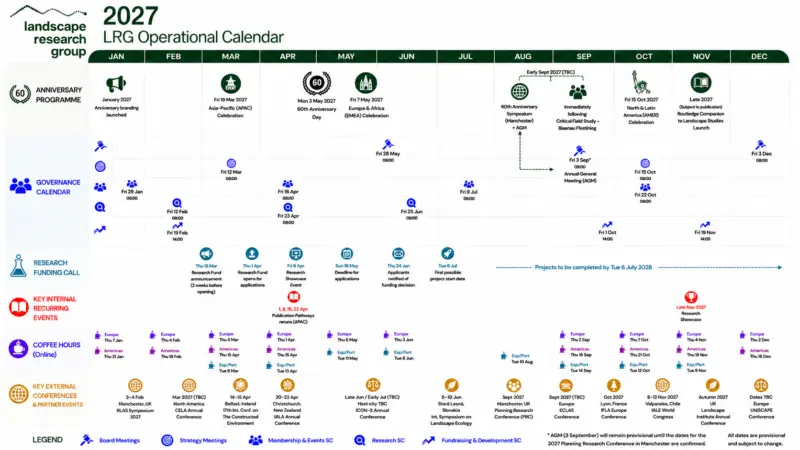
LRG at 60: our 2027 anniversary programme
Explore the developing programme for LRG’s 60th Anniversary year, including regional celebrations, research and network activities, and our proposed flagship gathering in September 2027. Discover the
News · 21 August 2026
Help shape the proposed Natural History GCSE for England
LRG members are invited to contribute their expertise to a UK Government consultation on the proposed Natural History GCSE for England, with particular opportunities to inform
Get stories like this by email
The newsletter carries the quarter’s best of these, straight to your inbox.